

The Unsung Heroes
Florida’s Tampa Bay area is renowned for its stunning coastal views. It is famous for its vibrant sunsets. The incredible variety of marine life calls its waters home. From playful dolphins to gentle manatees, the bay is a haven for nature lovers and adventure seekers alike. But beneath the shimmering surface lies a lesser-known yet equally vital treasure—sea grass.
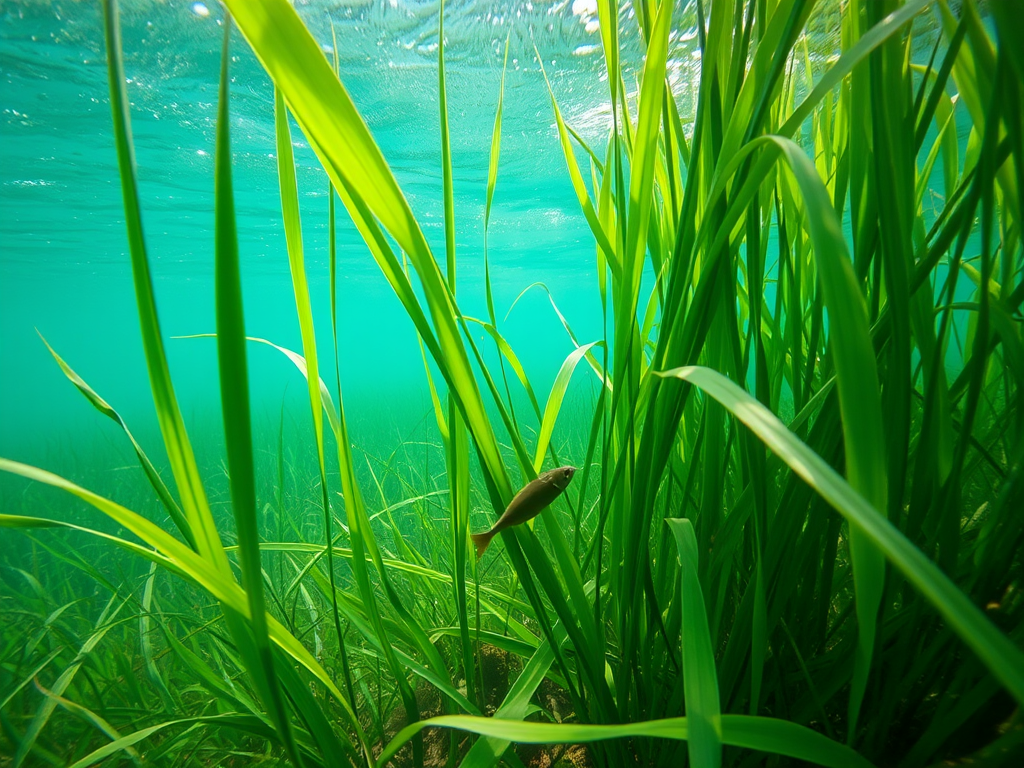
These underwater meadows go unnoticed by many. Yet, they are essential to the health and balance of the bay’s ecosystem. Sea grasses spread across the shallow waters, forming lush, green carpets. They enhance the underwater scenery and serve as the foundation for marine life in the area. Often overlooked, they are the quiet caretakers of the bay, supporting biodiversity, improving water quality, and protecting our shorelines.
Let’s take a closer look at why sea grass truly is the silent hero of Tampa Bay, offering an array of invaluable benefits:
The Unsung Heroes
Florida’s Tampa Bay area is famous for its breathtaking coastal views and diverse marine creatures. Yet, there is a hidden treasure beneath the sparkling water, and it’s called sea grass. These underwater meadows are often neglected, but they play a vital role in maintaining the health of Tampa Bay’s ecosystem. Sea grasses are aquatic plants that cover the shallower parts of the bay, forming a beautiful underwater scenery. They are the silent heroes of the bay, offering many advantages:
Habitat and Nursery: Sea grass beds are nurseries for countless marine species, including fish, crabs, and shrimp. Juvenile marine life finds refuge among the sea grass blades, ensuring their survival.
- Water Quality: Sea grass acts as a natural water filter, trapping sediments and reducing water turbidity. This improves water quality and allows sunlight to penetrate, supporting the growth of beneficial algae and marine plants.
- Carbon Sink: Like terrestrial forests, sea grass meadows sequester atmospheric carbon dioxide, helping mitigate climate change.
- Erosion Control: Sea grass roots stabilize the seabed, preventing erosion and safeguarding the coastlines from storm surges and wave action.
- Recreation: Beyond their ecological importance, sea grass areas offer opportunities for recreational activities. These activities include boating, kayaking, and snorkeling. They attract eco-tourism and foster a connection to nature.
Challenges and Conservation
Tampa Bay’s sea grasses play a vital role. Nonetheless, they face challenges. These challenges include habitat loss due to coastal development, pollution, and boat propeller damage. Conservation efforts, nevertheless, are making strides to protect and restore these underwater wonders. Regulatory measures, like speed zones and propeller guards, aim to reduce damage to sea grass beds.
Conclusion
Tampa Bay’s sea grass meadows thrive beneath the waves, but their influence reaches far beyond the underwater realm. They symbolize the bay’s resilience and the delicate balance that sustains its diverse ecosystem. We are stewards of this precious natural resource. We must cherish and protect the green lungs of Tampa Bay. This ensures they flourish for generations to come.